
The Chain of Responsibility (CoR) offers several key benefits for the Australian trucking and logistics industry. These include
CoR helps create a safer work environment by holding all parties in the supply chain accountable for ensuring that transport activities are conducted safely. This reduces the risk of accidents caused by fatigue, poor vehicle maintenance, or unsafe practices.
By following CoR requirements, businesses avoid significant legal penalties associated with non-compliance. This includes fines, restrictions, and even criminal charges in serious cases. Ensuring everyone in the chain is aware of their responsibilities mitigates these risks.
CoR shifts the focus from blaming just the driver for safety issues to addressing systemic problems in the supply chain. Everyone from management to loaders shares accountability, fostering a collaborative approach to safety and compliance.
Companies that comply with CoR demonstrate a commitment to safety, which can enhance their reputation within the industry. This can lead to stronger relationships with clients, partners, and regulators.
Implementing CoR processes can help identify inefficiencies and risks in the supply chain. By addressing these, businesses can streamline operations, reduce delays, and minimize costly disruptions related to compliance breaches.
CoR encourages proactive risk management, helping businesses identify and mitigate risks before they become significant issues. This reduces the likelihood of incidents and helps businesses maintain smooth operations.
By focusing on compliance in areas such as fatigue management and vehicle maintenance, CoR contributes to better working conditions for drivers, which can lead to higher employee satisfaction and retention.
It is essential for anyone involved in the transport supply chain, as it ensures that all parties understand their legal obligations and responsibilities under Australia's Heavy Vehicle National Law (HVNL
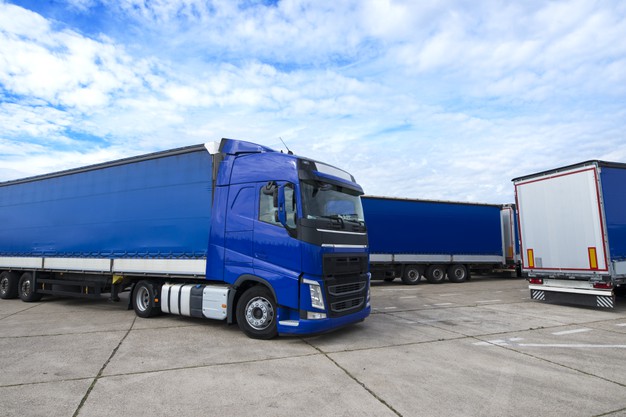
Drivers are directly responsible for vehicle operation and must comply with laws regarding speed, fatigue management, and load restraint. Training helps them understand their obligations and how to meet them safely.
Managers overseeing logistics and fleet operations must ensure compliance with CoR laws. Training helps them develop and enforce policies related to scheduling, maintenance, and driver management to avoid breaches.
Schedulers are responsible for planning routes, workloads, and delivery times. CoR training ensures they do not impose unrealistic timeframes that may encourage drivers to violate speed, fatigue, or other safety regulations.
Individuals responsible for loading and packing vehicles need to be trained in CoR to ensure that loads are properly restrained and do not exceed legal weight limits, which can lead to unsafe driving conditions.
Senior management and company directors are ultimately responsible for CoR compliance. They need training to understand their legal liabilities and to implement an effective compliance culture across the business.
Businesses or individuals sending or receiving goods have a duty to ensure that transport activities are carried out legally and safely. CoR training helps them understand their obligations regarding load specifications, scheduling, and safety.
Managers involved in warehouse operations need to be aware of CoR responsibilities to ensure safe and compliant handling, storage, and dispatching of goods in a way that does not compromise driver safety or compliance.
Any business involved in operating or contracting transport services must ensure CoR compliance across their entire operation. Training for these businesses helps in identifying and mitigating risks within the supply chain.
Companies or individuals contracted to provide services in the supply chain must also be aware of their responsibilities under CoR laws to avoid breaches that could affect the entire chain.
Reach out today to learn how JD Compliance can help streamline your operations and safeguard your business.
CONTACT US